
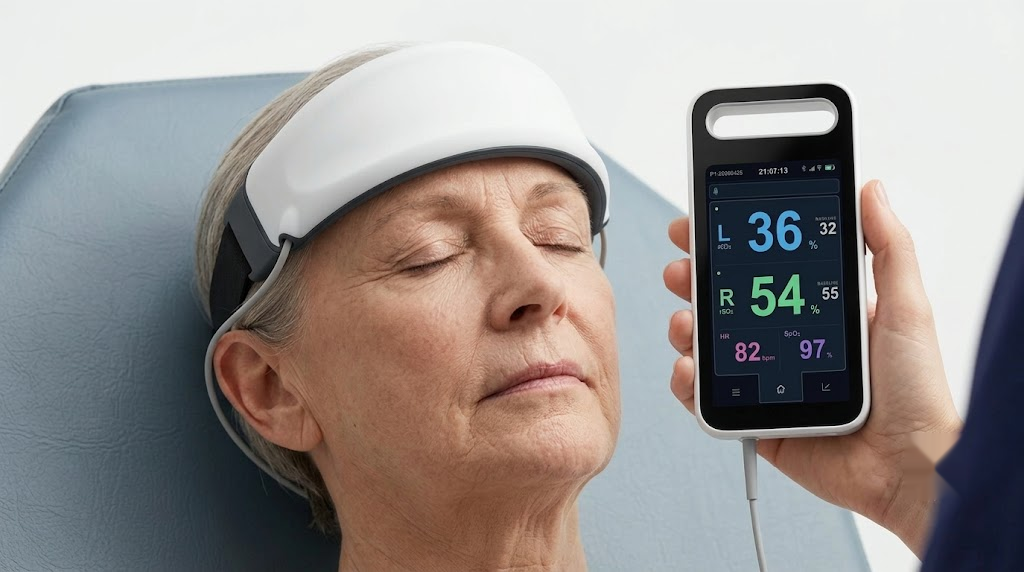
NeuraStasis is developing StrokeGuard: a smart, wearable therapeutic designed to augment blood flow to the brain in transit, so that more patients reach life-altering stroke treatment.




In stroke, Time is Brain. Current treatments depend on reaching a capable hospital before irreversible damage sets in, and for many patients, that gap is devastating.
The ischemic core rapidly consumes surrounding salvageable penumbra, causing irreversible brain damage.
Reaching a capable facility adds hours of untreated time. No neuroprotective intervention exists during transit.
Less than half the global population has immediate access to definitive stroke treatment during the most critical window.

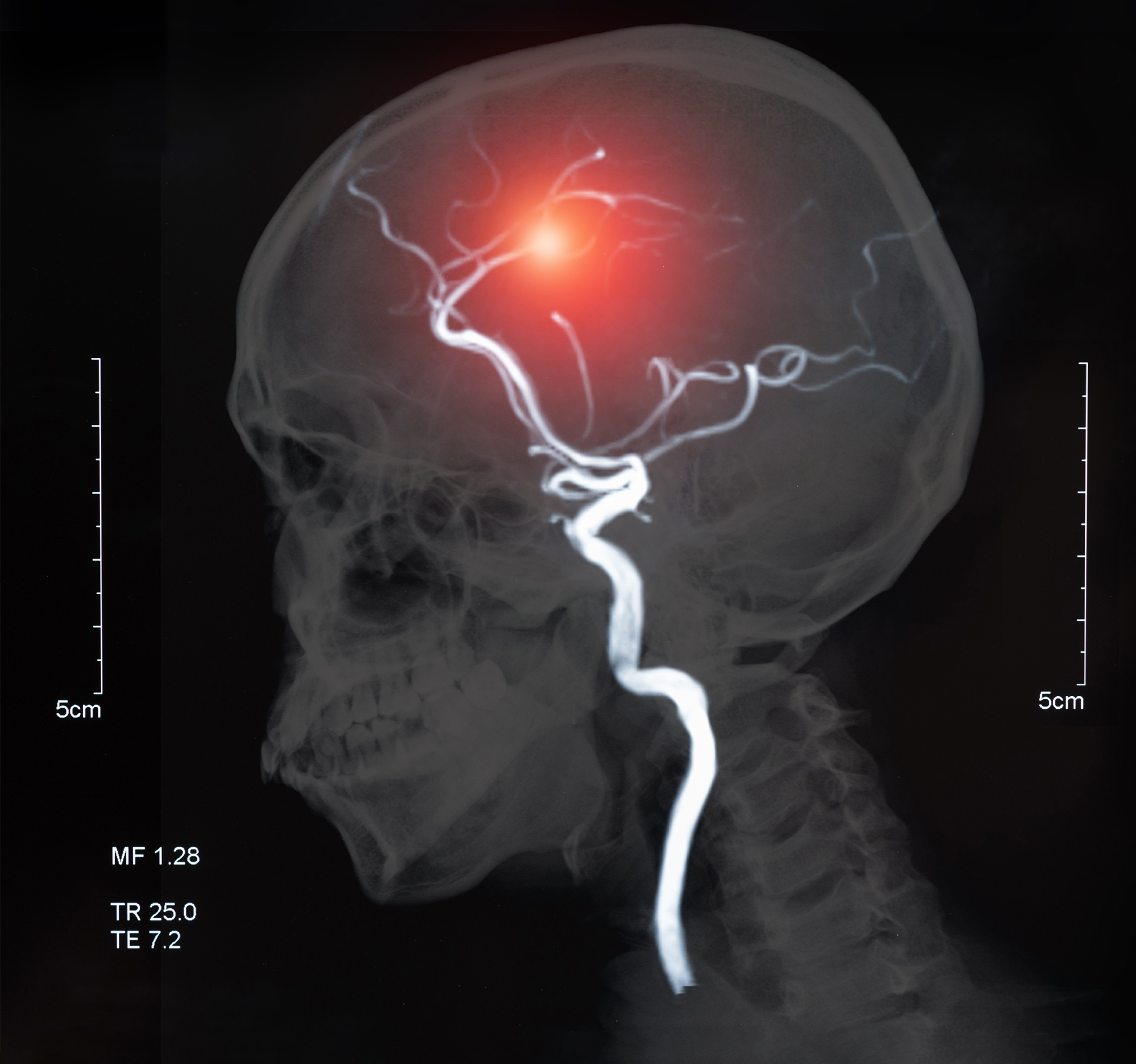

The global economic burden of stroke exceeds $890 billion annually, with over $111 billion in the US alone. The lifetime cost per stroke patient averages over $140,000, yet no approved device exists to protect the brain during the pre-hospital window.
A non-invasive therapy that augments blood flow to the brain before reperfusion treatment, and is designed to travel with patients through the critical transfer window.
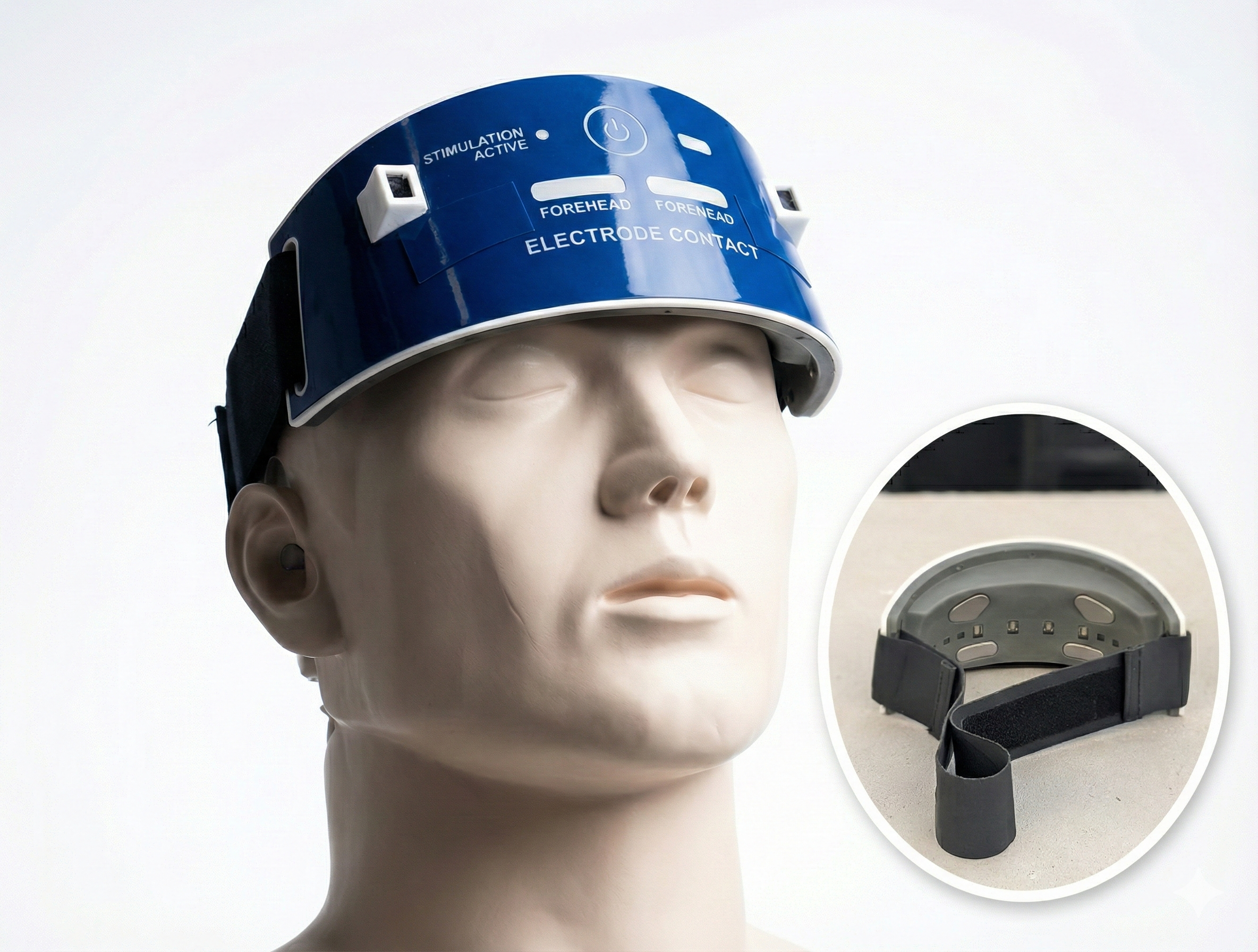
StrokeGuard uses non-invasive electrical stimulation of the trigeminal nerve to trigger the body's own cerebrovascular reflexes, promoting increased collateral blood flow to at-risk brain tissue to give patients and providers more time to act.
StrokeGuard is designed to increase cerebral blood flow by lowering cerebrovascular resistance, without systemic hypotension or pharmaceutical blood thinners. It is intended to act before and bridge to definitive treatment such as thrombolysis or thrombectomy, and to be safe for use where stroke type may not yet be confirmed.
A forehead array is applied in minutes by existing EMS or ED staff. Nothing is implanted and no procedure room is needed, so StrokeGuard follows patients through the clinical workflow and travels with them during transfer.
External electrodes contact forehead.
No surgical intervention.
Applied like a headband. Travels with the patient through the clinical workflow.
Applied to the forehead in minutes by existing EMS or ED staff, ready for use in the transit window.
Static, open-loop delivery cannot overcome biological habituation or patient variability. This is the reason historical neuroprotection approaches have failed. StrokeGuard is built on a physical AI architecture that continuously senses each patient's hemodynamic state and adapts stimulation to deliver lasting neuroprotection.
Multi-wavelength near-infrared source-detector pairs continuously monitor regional cerebral oxygen saturation in watershed regions.
Proprietary physiological closed-loop algorithm dynamically adjusts stimulation parameters in real time.
Precisely calibrated electrical pulses delivered non-invasively through forehead electrodes.
We partner with clinical institutions, EMS systems, device manufacturers, and investors who share our mission to bring neuroprotection to patients.